

Integrated, Cost-Efficient MSAPR Testing Services
Field-Integrated Testing, Audit-Ready Reporting, and Scalable Pricing for Midstream Operators
Intricate's MSAPR services support oil and gas operators with field execution, measurement integrity, compliance alignment, and practical reporting support for MSAPR performance testing.
Intricate's MSAPR services support oil and gas operators with field execution, measurement integrity, compliance alignment, and practical reporting support for MSAPR testing services across Western Canada.
Intricate delivers specialized, field-integrated MSAPR services and compliance testing designed for midstream and upstream operators facing strict regulatory timelines. By combining on-site testing, compliance consulting, and digital reporting, we simplify MSAPR compliance while reducing cost, risk, and operational disruption.
Why Intricate
MSAPR compliance is demanding, time-sensitive, and often costly when handled through fragmented vendors. Intricate offers an integrated approach that aligns compliance execution with real-world operations.
Key Benefits:
• Streamlined testing at scale across large engine fleets
• Schedules coordinated around active operations
• Digital, audit-ready compliance documentation
• Optimized pricing for fleets of all sizes
Services Overview
Field-Integrated MSAPR Compliance Testing
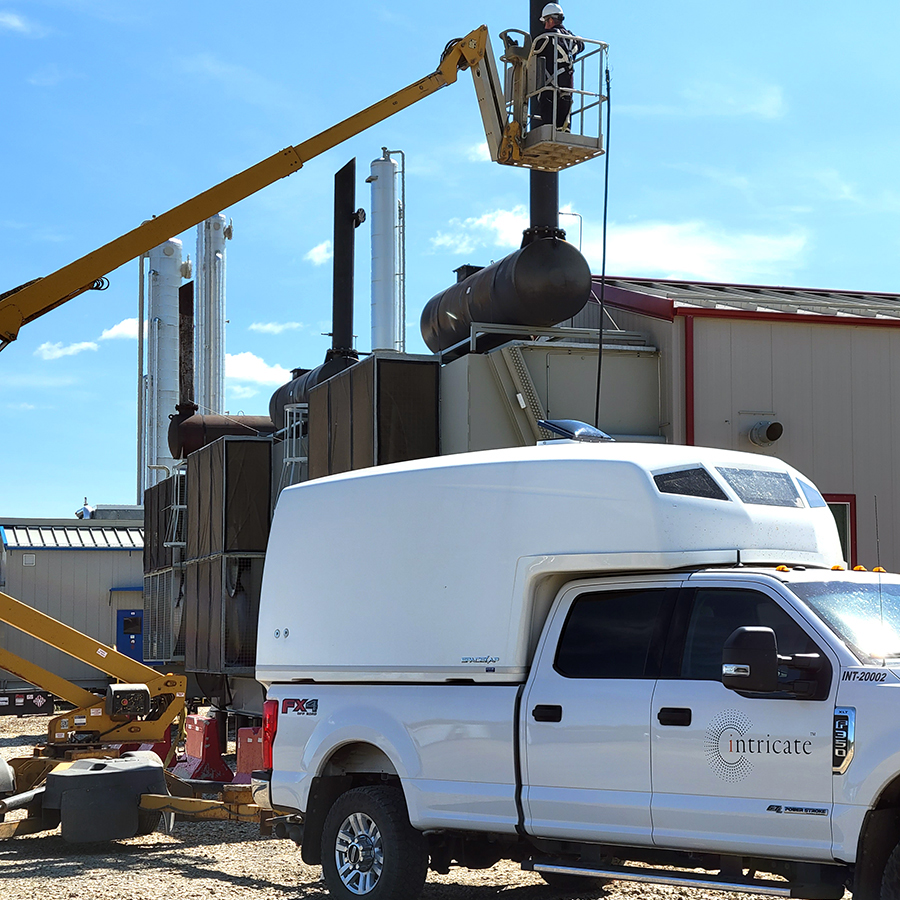
Our MSAPR testing services include on-site performance testing designed to minimize downtime and maintain operational continuity. Testing workflows are coordinated directly with operations teams. These MSAPR testing services cover the NOx emission intensity performance tests that the Multi-Sector Air Pollutants Regulations require for regular-use spark-ignition engines, from a single engine to a full fleet.
Compliance Consulting & Planning
Intricate supports compliance strategy, scheduling, and execution planning to reduce regulatory risk and administrative burden.
Digital Compliance Reporting
We deliver accurate, digital compliance reports and MSAPR compliance software support built for audit readiness, regulatory review, and internal tracking.
Case Study
Client Challenge:
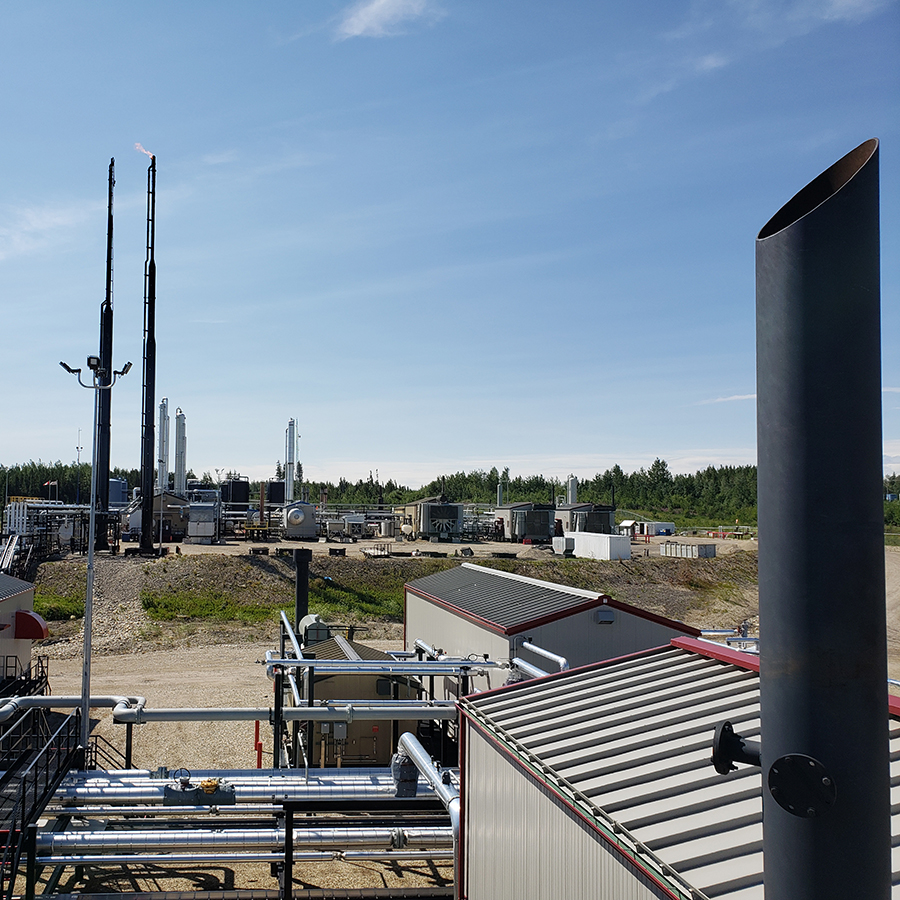
An upstream operator required MSAPR compliance testing across 68 engines during a rapid expansion phase. Tight regulatory deadlines and rising third-party costs created risk.
Intricate Solution:
Intricate delivered coordinated field testing at $1,850 per engine, integrating schedules with active operations and providing digital compliance documentation.
Results:
- Up to 40% cost savings per performance test
- Full regulatory compliance achieved
- Zero operational disruption
- Repeat engagement secured
Request a Quote
Share your engine count, locations, and timeline to receive pricing and availability.
Book a Free 20-Minute Consultation
Frequently Asked Questions (FAQ):
What is MSAPR compliance testing?
MSAPR compliance testing verifies that stationary engines and other regulated equipment meet Canada’s national nitrogen oxide (NOx) and air pollutant emission limits as set out under the Multi-Sector Air Pollutants Regulations for boilers, heaters and spark-ignition engines.
How often is MSAPR testing required?
Under the Multi-Sector Air Pollutants Regulations, a regular-use spark-ignition engine that is a modern engine rated at 75 kW or more must have its NOx emission intensity determined by a performance test within 12 months after its first hour of operation as a regular-use engine. Section 77 sets other triggers too, such as within 90 days of a change of owner of an engine subject to a NOx limit. Engines of 375 kW or more are then retested on a schedule set by engine type: lean-burn engines after 17,520 operating hours or 36 months, whichever comes first, and rich-burn engines after 8,760 hours or 36 months when a NOx emissions check in each 90-day period shows the engine within its limit, and after 4,380 hours or nine months otherwise. Intricate helps operators work out the exact MSAPR testing schedule for each engine.
Can you support large engine fleets?
Yes. Intricate specializes in scalable compliance testing for large fleets with coordinated scheduling.
How do you reduce operational downtime?
Testing is integrated with operational schedules to minimize or eliminate disruption.