

A producer who has cut venting at a handful of sites eventually asks the same question: once the credits exist, how do they turn into money? The reduction is the hard part in the field. The sale is where most of the value is won or lost, and it is decided by decisions made long before the first credit is issued.
Who actually buys Alberta offset credits
Most demand comes from large industrial facilities regulated under Alberta’s Technology Innovation and Emissions Reduction (TIER) Regulation. Those facilities can meet part of their obligation by cutting their own emissions, by paying into the TIER fund, or by submitting emission offset credits. When offsets cost less than the fund price, they become the cheaper way to comply, and that gap is what gives a producer’s credits their value.
Buyers therefore care about three things: that the credits are real, that they arrive on time for the facility’s compliance report, and that the volume is large enough to be worth the transaction. A producer who can answer all three is negotiating from strength.
How a sale actually happens
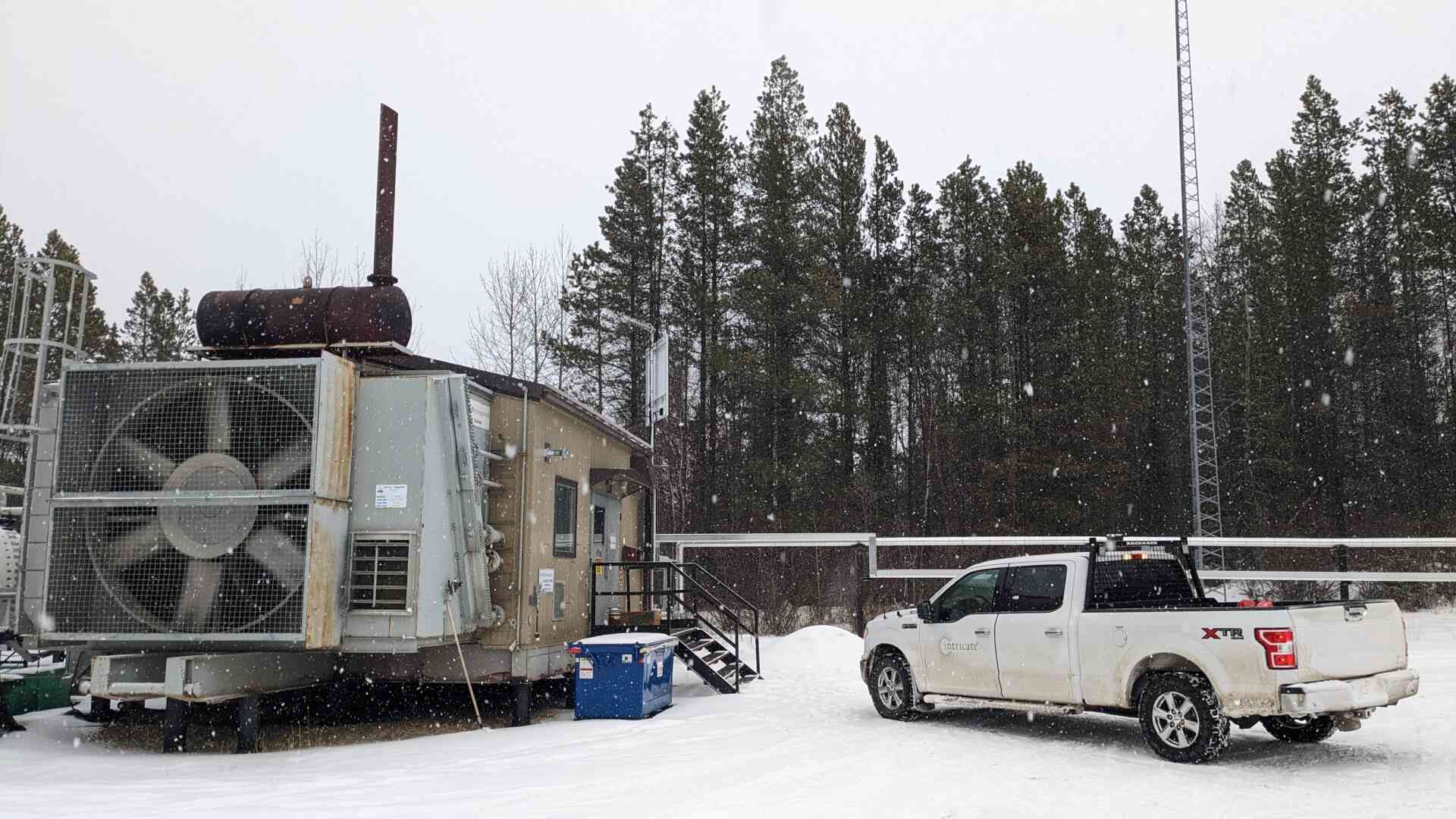 Credits only exist once a reporting period has been verified and the tonnes are registered and serialized on the Alberta Emissions Offset Registry. A sale is a transfer of those serialized credits from the seller’s registry account to the buyer’s, against a signed agreement on price and quantity. Before that, there is nothing to deliver, which is why the way credits are generated matters so much to what they will fetch. The steps behind turning field reductions into registered credits set the delivery date every buyer will ask about.
There are a few common ways to sell. A producer can sell credits as they are issued at the going price, agree a forward sale for future vintages at a set price, or keep some credits back for its own compliance if it has a TIER obligation. Each option trades certainty against price, and many producers use more than one.
Volume changes the price
A few hundred tonnes offered on their own are hard to place. Buyers prefer larger, predictable blocks, and they pay better for them. That is one reason smaller producers often register their sites inside an aggregated project, and why a vent gas reduction project covering many sites can sell on better terms than any single site could. Aggregation also spreads the cost of each verification across more tonnes.
Timing is the part most people underestimate
TIER facilities file verified compliance reports once a year, by June 30 of the following year, and they plan their offset purchases around that date. Credits that are still waiting on verification in the spring are worth less to a buyer who needs them in hand. Building the project calendar backwards from the buyer’s deadline is one of the simplest ways to protect the price.
Cash flow follows the same logic. A reduction made this year usually becomes money the next year, after verification and transfer. Producers who fund the equipment with a grant should check the grant’s terms before signing a credit sale, because some funding agreements claim the environmental attributes. Where both apply, an ERA funding application and an offset project need to be planned together.
What to settle before the first credit is issued
- Who holds the registry account, and who is authorized to transfer credits out of it.
- Whether you will sell as credits are issued, commit forward, or keep some for your own compliance.
- How price is set in any agreement, and what happens if a verification finds fewer tonnes than expected.
- Whether any funding agreement on the same equipment limits what you can sell.
These are the questions that carbon credit trading services should answer for a producer, alongside finding the buyer. The reductions earn the credits. Planning the sale is what turns them into a reliable return.